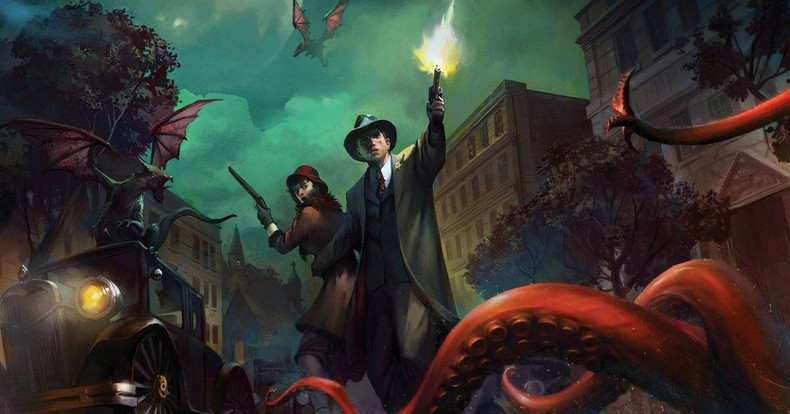
It is hard to believe that a full decade has passed since Fantasy Flight Games first dragged tabletop gamers kicking and screaming into the fog-choked streets of Lovecraftian horror with Arkham Horror: The Card Game. Released back in 2016, designers Nate French and MJ Newman created something truly miraculous: a living card game that seamlessly blended deep deckbuilding mechanics with deeply personal, emergent narrative storytelling. Ten years on, my gaming table has seen countless board games come and go, yet this cooperative masterpiece continues to hold a permanent spot in my regular rotation. Reaching its ten-year anniversary is a milestone worth celebrating, as very few tabletop experiences manage to maintain this level of tension, strategic depth, and thematic brilliance over a decade of continuous play.
The Magic of the Chaos Bag and Emergent Storytelling
What elevates Arkham Horror: The Card Game above almost every other card game on my shelves is its brilliant use of the chaos bag. Rather than rolling standard dice to resolve skill checks, pulling a token from that velvet pouch creates unmatched narrative tension. Whether you are desperately attempting to evade a Nightgaunt or searching for clues in an abandoned asylum, pulling the dreaded Auto-Fail token at the worst possible moment creates unforgettable tabletop drama. The game treats failure not as a hard restart, but as a branching narrative path where your investigator carries physical trauma, mental scars, and lingering weaknesses forward into the next scenario, making every campaign feel like a personalized, living horror story.
Masterful Deckbuilding Across a Decade of Campaigns
From a pure design perspective, the deckbuilding ecosystem built over the last ten years remains unmatched in the hobby. Crafting a deck for investigators like Roland Banks, Daisy Walker, or Jenny Barnes requires finding a delicate balance between clue gathering, monster slaying, and sanity management. With a decade's worth of player cards to choose from, the room for creative expression is staggering, allowing you to build everything from hyper-efficient clue seekers to chaotic dark horse combatants. Moving from classic early campaigns like The Dunwich Legacy to modern open-world campaign structures has proven just how flexible and resilient the core framework really is, constantly forcing veteran players to rethink their deckbuilding strategies.
A Legacy That Continues to Inspire Tabletop Design
Looking back over ten incredible years, Arkham Horror: The Card Game stands as a monumental achievement in modern board game design that continues to influence the entire industry. It proved that a card game could deliver the emotional weight, narrative choices, and tactical immersion of a massive role-playing campaign without needing a game master to run it. Whether playing solo on a quiet evening or huddled around a table with three close friends arguing over who should draw the next encounter card, the thrill of surviving against cosmic horrors remains as potent today as it was in 2016. Here is to a decade of madness, and to many more years of facing the mythos on our tabletops.
Did You Know: Arkham Horror: The Card Game was originally codenamed "Project ORION" during its early development at Fantasy Flight Games, with designers experimenting with actual physical board tiles before realizing that a purely card-based system with location connections allowed for infinite thematic flexibility!