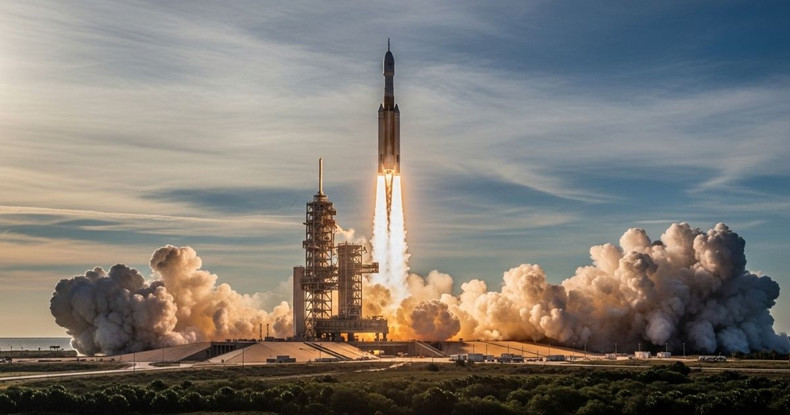
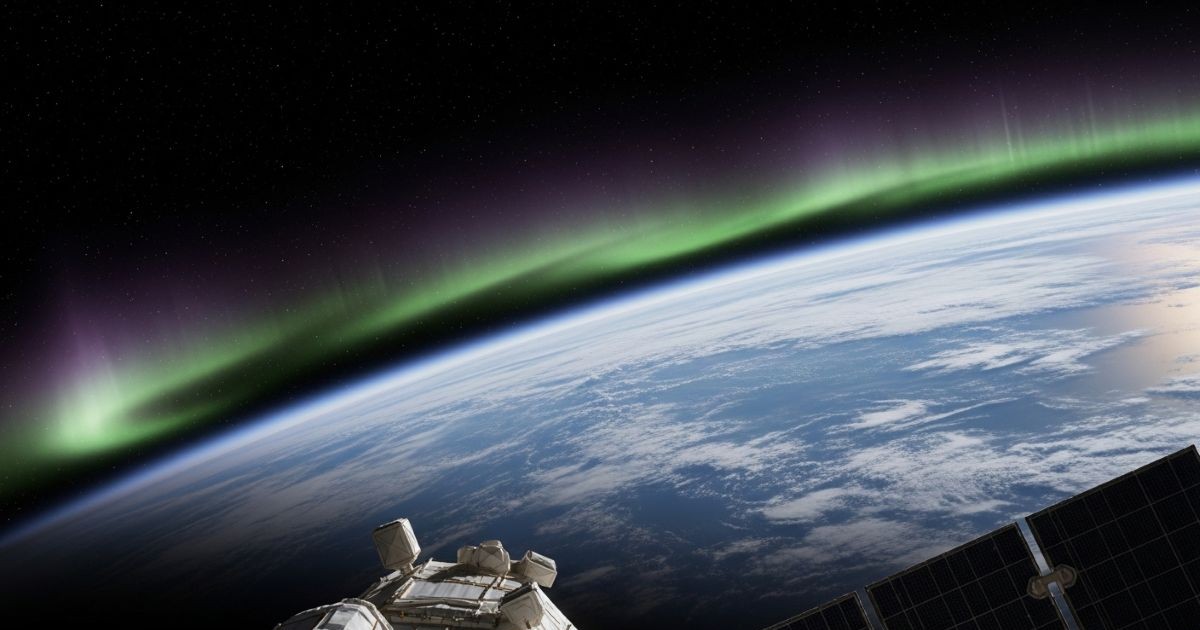
NASA has successfully launched four brave explorers towards the lunar far side, and if the early mission milestones are any indication, humanity's future in deep space is looking brighter than ever. Launched on 1 April 2026, Artemis 2 is trading the robotic sensors of its predecessor for a gritty, human-led epic that feels like Apollo 8 met the 21st century and decided to break every record in the book. Forget low Earth orbit—this is NASA at its most ambitious and, quite literally, its most historic.
The Mission Breakdown: Shattering Apollo Records
The mission status describes a journey we haven't seen since 1972. Gone are the days of staying close to home; instead, the Orion spacecraft is currently completing a looping trajectory that carries it thousands of miles beyond the Moon. But the real kicker for fans? The sheer distance of it.
On 6 April 2026, the crew officially shattered the record for the farthest human spaceflight, previously held by the legendary Apollo 13. While the world watched the "Earthset" from the lunar far side, the astronauts were navigating the "free-return" trajectory—a high-stakes gravity manoeuvre designed to sling-shot them safely back to Earth without a second engine burn.
Astronauts, Science, and Deep Space Firsts
While the Space Launch System (SLS) rocket did the heavy lifting, the mission is all about the four pioneers on board. The Artemis 2 crew confirms a "back-to-basics" era of exploration with a few modern upgrades:
-
The Pioneers: Commander Reid Wiseman, Pilot Victor Glover, and Mission Specialists Christina Koch and Jeremy Hansen. This marks the first time a woman, a person of colour, and a non-U.S. citizen (Canada) have ventured beyond Earth's orbit.
-
The Manual Pilot Test: Unlike the automated Artemis 1, Pilot Victor Glover successfully performed manual proximity operations, proving humans can take the wheel of the Orion capsule if tech fails.
-
The Lunar Eclipse: In a stunning twist, the crew witnessed a rare solar eclipse from the lunar perspective, providing data on the Moon's shadow that scientists have been craving for decades.
The Roadmap to Artemis 3 and Beyond
The biggest rumour currently circulating is that the success of Artemis 2 has officially greenlit the Artemis 3 lunar landing for 2027. With the Orion systems proving they can handle deep-space radiation and long-duration flight, many believe the first "boots on the ground" at the lunar South Pole are closer than we thought.
With the SLS pushing performance boundaries that make the old Saturn V look like a relic, the Moon is now a prime target for a long-term lunar base. We’ll be keeping a sharp eye on the splashdown recovery in the Pacific Ocean, which was scheduled for 10 April. Until then, keep your telescopes ready and your eyes on the stars. It’s going to be one wild ride back to Earth.