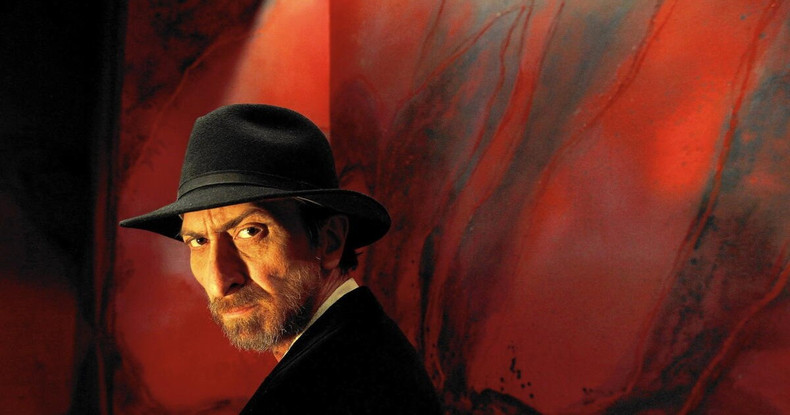
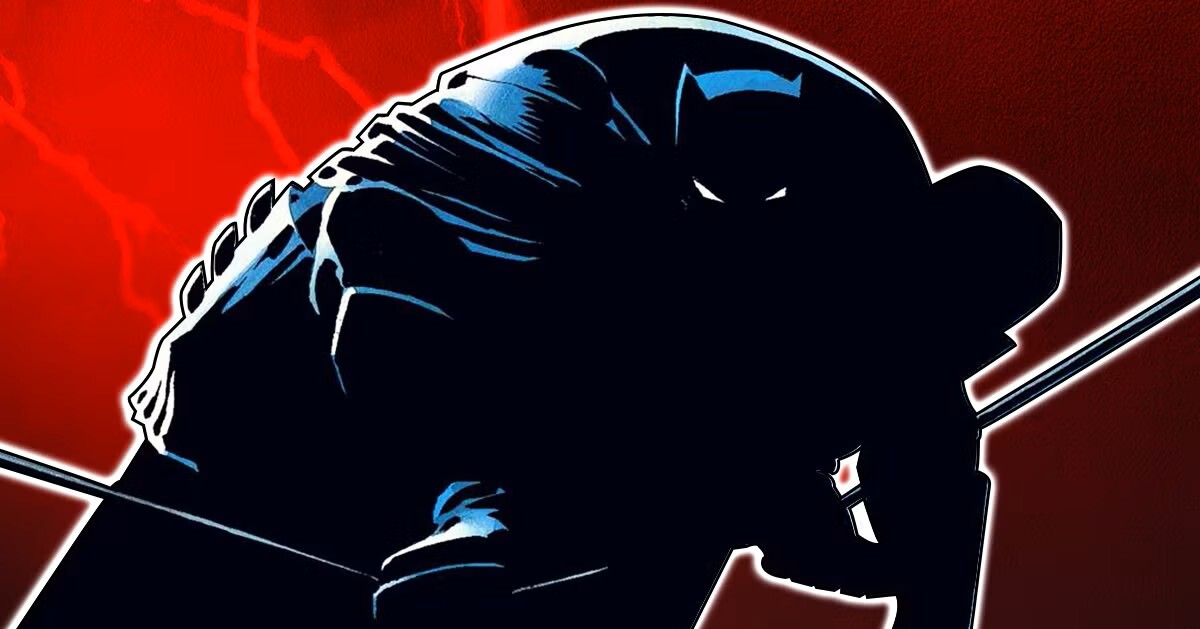
Few creators have left an indelible, defining mark on modern comic book history quite like Frank Miller. Looking back at his transformative work across the late 1970s and 1980s, Miller took two iconic heroes who were struggling for narrative direction—Daredevil and Batman—and dragged them through gritty noir alleyways, changing the landscape of superhero fiction forever. By stripping away campy silver-age tropes and infusing his pages with hard-boiled crime cinema influences, dynamic cinematic panel layouts, and uncompromising moral grey areas, Miller redefined how serialised graphic fiction could be written, drawn, and digested by mature audiences.
Elevating Daredevil from B-List Hero to Crime Noir Legend
When Miller took over pencilling and writing duties on Marvel’s Daredevil in 1979, the title was on the verge of cancellation. Recognizing the untapped potential of a blind lawyer operating in a crime-ridden Hell's Kitchen, Miller stripped away the bright, colorful supervillain-of-the-week formula. Instead, he introduced Japanese martial arts mysticism through the Hand, turned Wilson Fisk into the terrifying criminal mastermind known as the Kingpin, and crafted the tragic assassin Elektra. His defining arc, Born Again, pushed Matt Murdock to his absolute psychological and physical breaking point, establishing a dark, grounded template that still serves as the primary inspiration for Daredevil adaptations today.
Redefining the Dark Knight and Revolutionizing Panel Framing
Fresh off his success at Marvel, Miller moved to DC Comics and crafted 1986's The Dark Knight Returns, a legendary four-issue miniseries that fundamentally shattered the public perception of Batman. Depicting an aging, cynical Bruce Wayne coming out of retirement in a dystopian Gotham City, Miller introduced a heavily stylized, 16-panel grid format that mirrored the frantic energy of 24-hour cable news. Beside Batman: Year One, which stripped the character back to a grounded vigilante battling municipal corruption, Miller’s dark aesthetic became the definitive blueprint for the modern superhero film renaissance, directly influencing directors from Tim Burton to Christopher Nolan.
The Lasting Legacy of a Comic Book Maverick
Beyond his superhero defining runs, Miller’s original works like Sin City and 300 proved that creator-owned graphic novels could capture global pop-culture dominance. His signature high-contrast black-and-white ink work, paired with sparse, hard-boiled narration, demonstrated that comics could rival classic literature and film noir in artistic weight. Decade after decade, Miller’s relentless push to treat comic panels as dynamic cinematic storyboards continues to inspire generations of writers, artists, and filmmakers who seek to push the visual boundaries of graphic storytelling.
Dark Knight Origins: When Frank Miller was illustrating The Dark Knight Returns, DC Comics editorial initially objected to his iconic 16-panel grid layout on every page, fearing it was too dense for readers; Miller fought for the dense format because he specifically designed it to mimic the claustrophobic, sensory overload of 1980s television news broadcasts!