
The highly anticipated resurrection of cinema's greatest secret agent in the digital gaming space has officially arrived, and it has immediately lit the internet ablaze. Developed by the tactical masters at IO Interactive, 007 First Light has taken a bold, uncompromising leap into the stealth-action genre, earning stellar reviews and impressive critical marks out of the gate. Yet, peer into any major gaming forum or social space, and you will find a fandom deeply divided over the title's unique mechanical rhythm. Far from signaling a structural misfire, this passionate player schism actually proves that the developers did exactly what they needed to do: they threw out the predictable, algorithm-driven franchise template to deliver a challenging, cinematic origin story that respects the intelligence of its audience.
Trading mindless gunplay for character-driven espionage
Stepping into the shoes of a 26 year old, pre-license James Bond means adjusting to a completely different pacing than previous franchise tie-ins. Players expecting an instant, high-octane explosive shooter are instead greeted by a focused, linear espionage thriller built on the back of the studio's proprietary Glacier engine. Voiced with a brilliant, raw vulnerability by rising Irish star Patrick Gibson, this version of Bond is an insubordinate former Royal Navy aircrewman still learning how to navigate the psychological tightrope of MI6. The game's seventeen chapter structure puts a heavy premium on character growth, dedicating a substantial early portion of the campaign to a rigorous, story-driven tactical training sequence before setting players loose on global operations. It is a narrative-first approach that forces you to build the icon from the ground up, demanding patient infiltration over immediate chaos.
Improvisational combat challenges mainstream norms
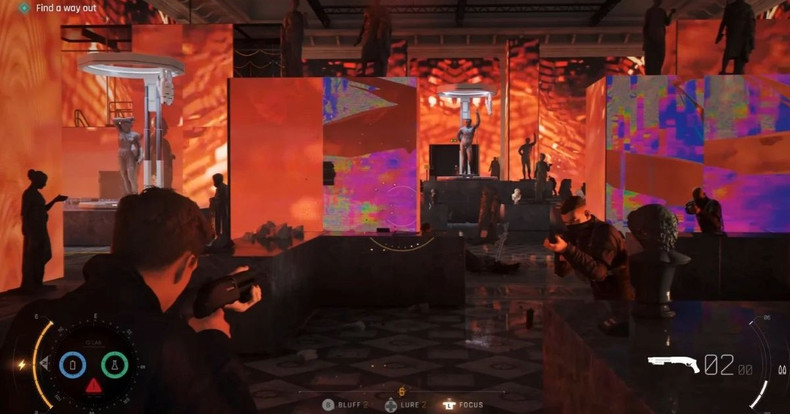
Exploring the mechanical depth of the campaign reveals exactly why some corners of the internet are feeling friction. The gameplay deliberately blends the signature "social stealth" DNA of the Hitman franchise with the kinetic, cinematic platforming momentum of a prestige Hollywood adventure. Gunplay is intentionally restricted; players are generally confined to non-lethal infiltration methods until enemies explicitly show lethal intent, which mechanically unlocks the temporary "license to kill" and access to punchy firearms. To bridge the gap, the game introduces a layered, momentum-based hand-to-hand combat system where Bond behaves like a gritty barroom brawler, shoving mercenaries into server stacks and grabbing environmental objects like mugs or keyboards to smash into enemy faces. Additionally, a novel "bluff" mechanic lets players use prompt-based dialogue choices to smoothly lie their way past suspicious guards when caught out of position.
Reclaiming legendary gaming heritage
Constructing a truly great Bond game requires washing away the bitter taste of the franchise’s recent interactive history, which has languished in absolute obscurity since the critical disaster of 007 Legends all the way back in 2012. By stepping entirely away from the likenesses and established continuity of the modern movies, the independent development team has managed to capture the core literary soul of Ian Fleming's original vision. The narrative thrives in its creative freedom, populating its world with excellent original figures like Bond's hard-nosed MI6 mentor John Greenway, expertly brought to life by Lennie James, and psychology expert Selina Tan, played by Gemma Chan. While some players have voiced complaints about the lack of wide-open sandbox replayability compared to the studio's previous work, the tight script and immense attention to environmental detail ensure every hour spent in this world feels like a prestige blockbuster event.
The Bond Backstory You Never Knew: The physical look of Bond in 007 First Light includes a brilliant nod to his original literary design. The developers deliberately gave this young character model a long, vertical scar running down his right cheek—a distinctive facial trait explicitly detailed by Ian Fleming in his foundational 1953 novel Casino Royale, but one that has been almost entirely omitted by every single live-action film adaptation in history!