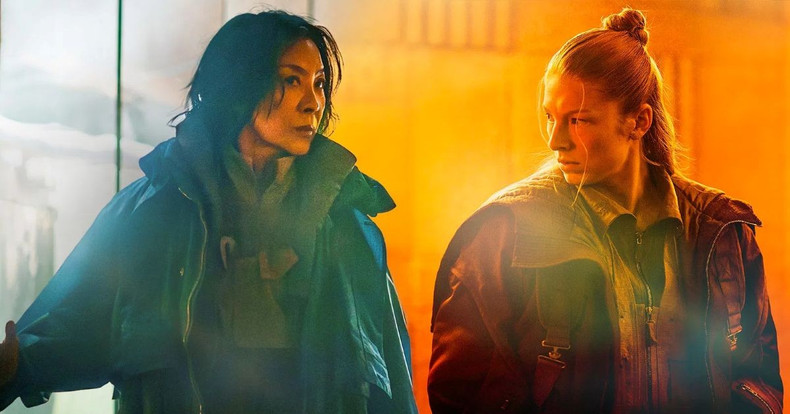
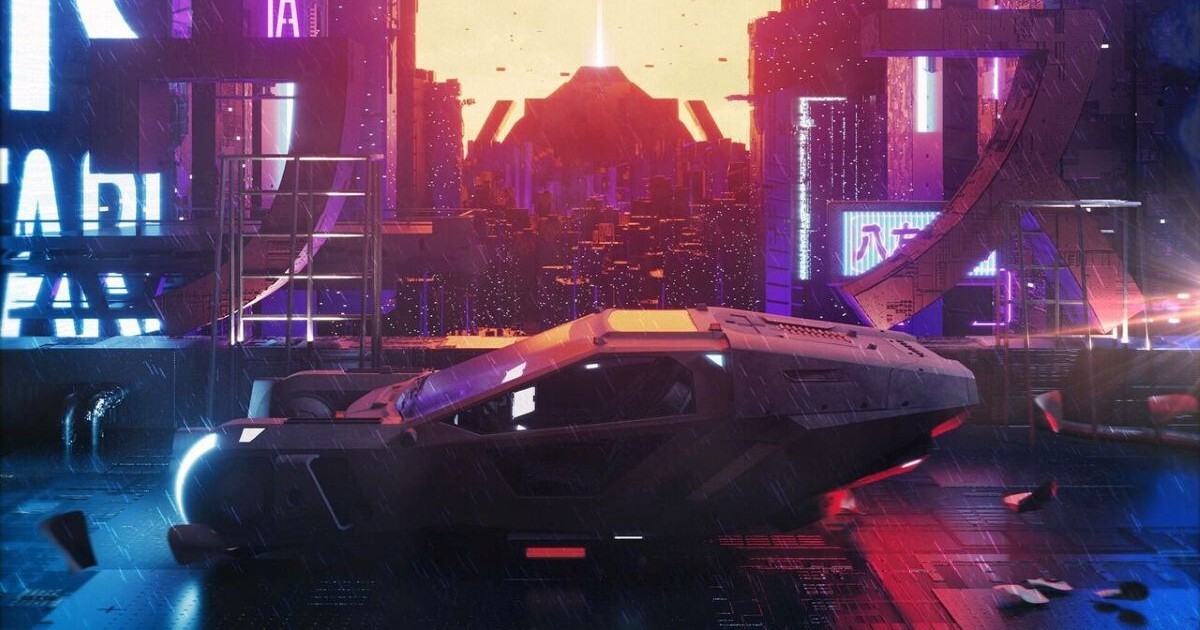
Forty-four years after Harrison Ford chased rogue Nexus-6s through a rain-soaked Los Angeles, and nearly a decade since Denis Villeneuve questioned K's soul in Blade Runner 2049, Prime Video is finally taking us back into the neon fog. Releasing all eight episodes on 25 November 2026, Blade Runner 2099 represents the franchise's boldest gamble yet by stepping away from the cinema screen and into long-form television. With Ridley Scott returning as executive producer alongside showrunner Silka Luisa, this limited series doesn't just aim to match the iconic visual atmosphere of its predecessors—it sets out to test whether the existential dread of the Cyberpunk titan can thrive across a multi-hour TV narrative.
A Fifty-Year Jump and a Replicant Power Shift
Set five decades after the events of Denis Villeneuve's film, the series drops audiences into a transformed world reshaping the core themes of humanity and artificial intelligence. Academy Award winner Michelle Yeoh leads the cast as Olwen, an aging Replicant Blade Runner approaching the end of her natural lifespan, while Hunter Schafer stars alongside her as Cora, a human fugitive forced to blend into society by masquerading as a Replicant. The narrative flips traditional franchise dynamics on their head: following a devastating war between humans and androids, Replicants have gained political dominance, reducing humans to second-class citizens in a decaying metropolis.
Massive Scope and High Cinematic Ambition
Bringing the sprawling, rain-slicked visual identity of Blade Runner to television required an ambitious international production footprint. Originally slated to film in Belfast before production shifts relocated principal photography to Prague’s famed Barrandov Studios, the crew utilized massive practical sets paired with cutting-edge visual effects to capture the franchise's signature industrial decay. Helmed by directors like Jonathan van Tulleken (Shōgun), the limited series structure was specifically chosen to maintain feature-film visual density across all eight hours. Silka Luisa has noted that the creative team worked to preserve the quiet existential dread of the original films while delivering faster-paced mystery mechanics built for television.
Preserving a Legacy of Existential Cyberpunk
The ultimate test for Blade Runner 2099 lies in whether it can capture the philosophical weight that defines the brand. At its core, the franchise has always wrestled with questions of empathy, memory, and what truly constitutes a soul amidst technological advancement. By shifting the central focus to a human struggling to retain her humanity while an artificial being confronts her own mortality, the series builds upon the iconic noir foundation established over forty years ago. As the November release date approaches, cyberpunk fans are eager to see if this new chapter can expand Ridley Scott's dystopian vision into a fresh TV era.
Conceptual Begins: During initial pre-production planning for Blade Runner 2099, showrunner Silka Luisa and executive producer Ridley Scott spent weeks dissecting unseen world-building bibles originally drafted by Syd Mead during the production of the 1982 original, using forgotten concept sketches of high-density vertical megastructures to design the shifting architectural skyline of the 2099 setting!