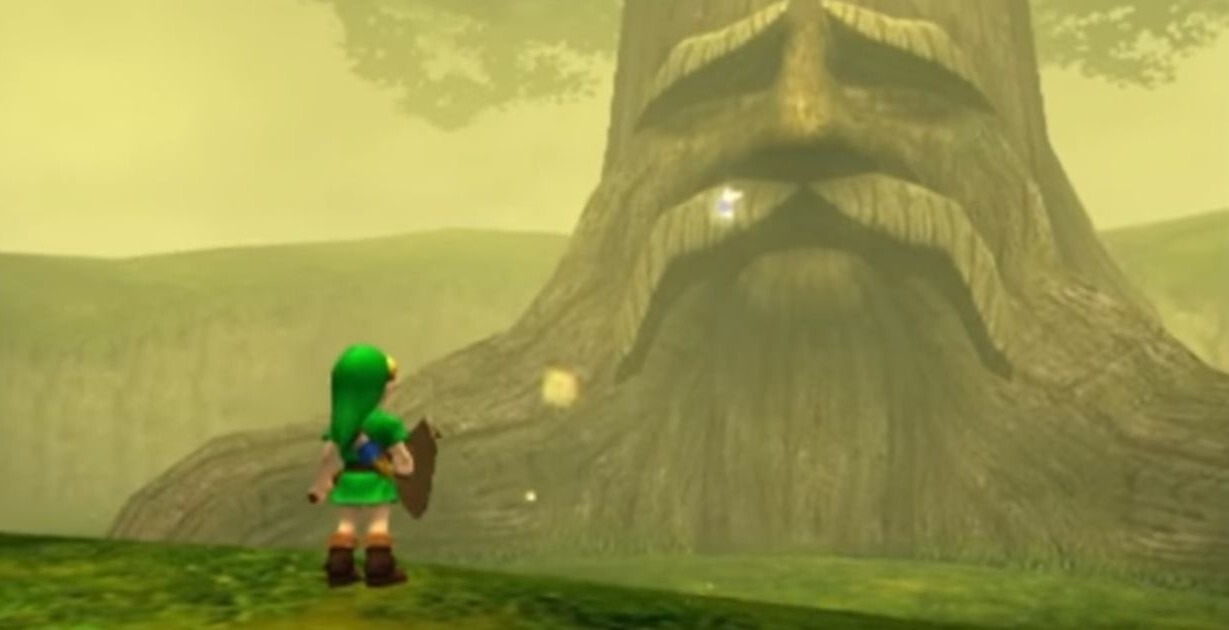
Whenever a developer touches a holy grail of gaming, the internet holds its collective breath. Following Nintendo's dramatic reveal of The Legend of Zelda: Ocarina of Time rebuilt for Switch 2, discourse immediately erupted across social media. Between debates over Link's updated character model and the shift toward darker, atmospheric lighting, fans are fiercely divided. Yet, this friction stems from a fundamental misunderstanding of what a remake should actually be. True remakes are not digital clones designed to mirror our nostalgia pixel-for-pixel; they are artistic interpretations meant to offer a fresh perspective on timeless material.
Transcending the Limits of N64 Hardware
When Ocarina of Time originally landed on the Nintendo 64 in 1998, its visuals were groundbreaking, but they were ultimately constrained by severe technological boundaries. Low-resolution textures, aggressive fogging, and blocky character geometry were necessary compromises to bring a vast 3D Hyrule to life. The upcoming Switch 2 remake isn't changing the soul of the original game; rather, it uses modern lighting engines, pronounced environmental textures, and voiced dialogue to realize the epic fantasy vision Eiji Aonuma and his team were chasing nearly three decades ago. It bridges the gap between what was rendered on a CRT screen and what our childhood imaginations filled in.
Cinema Understood This Concept Decades Ago
In film and theatre, society accepts that a director can stage a classic like Macbeth or The Thing with new actors, distinct lighting, and altered tone without ruining the original creation. Video games, however, are frequently treated as mere technical products rather than art, leading audiences to demand exact modern facsimiles of old code. Just as Capcom's 2002 Resident Evil remake reinterpreted its 1996 counterpart through a darker, more claustrophobic lens without erasing the PlayStation original, this new take on Hyrule stands alongside the N64 masterpiece as a distinct, valid companion piece.
Celebrating the Evolution of Hyrule
Embracing a remake as an artistic interpretation allows us to celebrate how far the medium has grown while holding onto why we fell in love with Kokiri Forest in the first place. Having full voice acting, refined controls, and realistic environmental shadows does not overwrite our cherished memories of reading text boxes on a blocky console. Instead, it gives a new generation of players an entry point into one of gaming's greatest stories while offering returning veterans a chance to experience a familiar legend through an entirely new lens.
Hey...Listen: During the original 1998 production of Ocarina of Time, sound designer Koji Kondo and director Shigeru Miyamoto deliberately avoided full voice acting because they worried fixed voice performances would ruin the player's personal mental image of Link and Zelda—making the inclusion of full voice performances in the Switch 2 remake a massive, historic departure for the classic title!