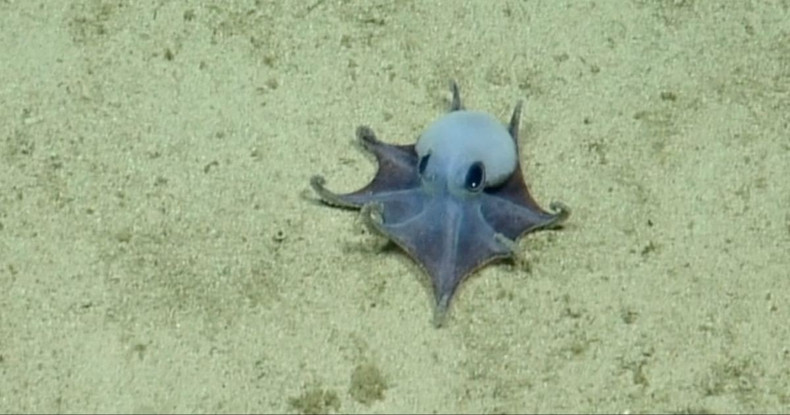
Wonders of the deep ocean have a spectacular way of proving that the most jaw-dropping discoveries often come in the most microscopic packages. In a brilliant piece of underwater detective work, marine researchers have officially identified a brand-new species of pygmy blue-ringed octopus that is redefining our understanding of marine biodiversity. Discovered navigating the vibrant, shallow coral reefs of the Indo-Pacific, this miniature cephalopod maxims out at a mere two centimeters in length—easily fitting onto the tip of a human finger. Yet, despite its unassuming size, this tiny creature packs the exact same formidable, neurotoxic punch as its larger, famous relatives, serving as a stunning reminder of nature's ability to engineer absolute perfection on a micro-scale.
Genetic sequencing cracks a classic case of mistaken identity
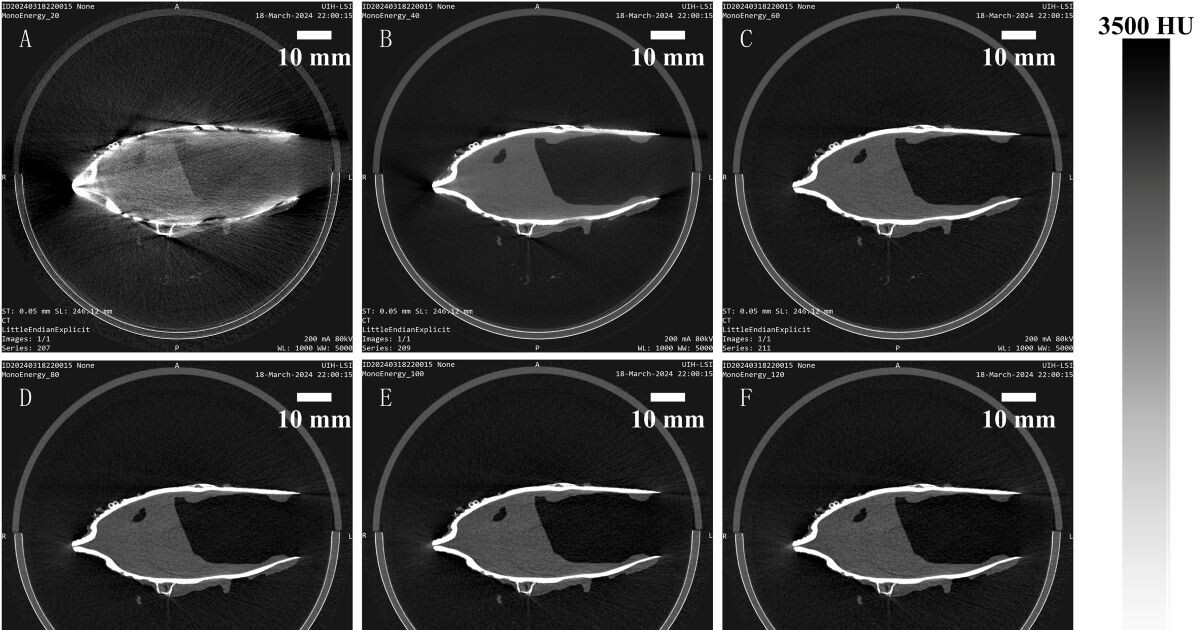
Stepping into the laboratory reveals how a team of dedicated marine biologists managed to uncover this hidden gem after years of it hiding in plain sight. For decades, divers and local naturalists had occasionally spotted these tiny, iridescent creatures, assuming they were simply juvenile forms of the well-documented Greater Blue-Ringed Octopus. However, a comprehensive study utilizing cutting-edge DNA barcoding and high-resolution micro-CT scanning exposed distinct physiological differences, including unique ring-pattern distributions and specialized hunting specialized tentacles. This scientific breakthrough highlights how much of our coastal ecosystems remain completely undocumented, waiting for modern technology to unveil their secrets.
Nature’s ultimate warning sign
Exploring the behavioral traits of this newly crowned species offers a fascinating look at survival in a predator-dense reef environment. When entirely relaxed, the pygmy octopus relies on master-class camouflage, blending seamlessly into the beige textures of dead coral and sandy sediment to avoid detection. The real magic happens the moment the creature feels threatened: its entire body darkens instantly, and dozens of microscopic, electric-blue rings flash across its skin with dazzling intensity. This hyper-visible light show functions as an urgent, universal warning to predators, signaling that the tiny hunter secretes tetrodotoxin—a potent neurotoxin capable of paralyzing targets in a matter of seconds.
Protecting reef sanctuaries and vulnerable micro-fauna
Constructing a safe future for these newly discovered cephalopods requires a massive, renewed focus on targeted marine conservation efforts. Because this species restricts its habitat entirely to fragile, shallow-water reef flats, its survival is deeply intertwined with the health of local coral structures facing constant pressure from climate shifts and coastal development. Marine ecologists are actively pushing to establish localized micro-reserves, pointing out that protecting charismatic micro-fauna is just as vital for maintaining reef equilibrium as tracking apex predators like sharks. Ensuring these pocket-sized marvels continue to thrive guarantees that the ocean's intricate puzzle retains all of its most mesmerizing, colorful pieces.
Cephalopod Trivia: The dazzling, flashing blue rings of this octopus don't rely on typical chemical bioluminescence to shine. Instead, the brilliant blue color is entirely structural, created by specialized cells called iridophores that act like microscopic mirrors, reflecting and amplifying ambient ocean light to create an intense, shimmering glow that looks completely supernatural!